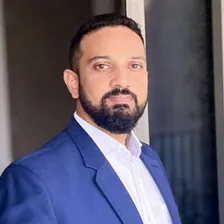
Unni
fullTime(["Builder", "Leader"])
partTime(["Thinker"])
gotoLinkedIn()
I've spent two decades at the intersection of technology, data, and financial services. Global institutions, deep roots in ASEAN. I've been writing here since 2008. The technologies have changed considerably. The questions underneath them haven't.
The work has always run from the boardroom to the build: shaping strategy with executive committees, building the engineering and data organizations that execute it, managing the partner ecosystems that help deliver it. I've done this from both sides of the table. Led technology inside large financial institutions, accountable for the platforms, the teams, the budgets, and the results. And worked on the outside as an advisor and strategist, helping organizations make technology decisions and partnering to deliver them. The view from each side is different. Having lived both changes how you think about either.
A recurring theme is architecture: enterprise, business, and data architecture. In large enterprises these aren't abstract disciplines. They're the connective tissue between strategy and execution, between what a business needs and what technology can realistically deliver, in regulated, complex, legacy-heavy environments where the cost of getting it wrong is high.
What I keep coming back to is why technology-led transformation is so hard inside established institutions, and why the answers almost never have much to do with the technology itself. The architecture is usually the easy part.
This blog is where I write to think. The topics range across cloud architecture, data engineering, AI strategy, and platform thinking, but the underlying question is usually the same: how do you make large, complex organizations actually move?
Find me on LinkedIn if you want to continue the conversation.